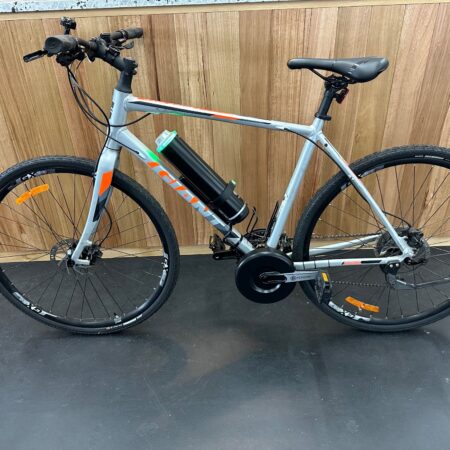
Ride your E-Bike all winter
Modern electric bikes are designed to cope with wet weather. Their electrical components are sealed against rain and road spray, so don’t be afraid of a little water. However, cold temperatures and extra moisture do mean your bike deserves a little more care.

Are e-bikes waterproof?
One of the biggest misconceptions about e-bikes is that rain will damage the electrical system.
In reality, quality e-bikes are designed to withstand normal wet-weather riding. The motor, battery and electrical connections are protected against rain and splashing water.
That said, they are water-resistant, not waterproof.
Avoid:
- Riding through floodwaters or deep puddles (and don’t ride in the water at the beach! It’s an e-bike, not a horse)
- Storing your bike where it could become submerged or flooded by heavy rain
- Using high-pressure hoses or pressure washers around the motor, battery or display
If water does enter the motor or battery housing, corrosion can develop over time and cause permanent damage.
Cold weather can affect your battery
Like people, lithium-ion batteries perform best at moderate temperatures.
When the temperature drops below around 10°C, you may notice:
- Reduced battery range
- Slightly lower power output
- Longer charging times
This doesn’t damage the battery, but storing or charging it correctly makes a big difference.
Battery care tips
Live somewhere really cold?
- Remove the battery after each ride.
- Store it indoors at room temperature.
- Only reinstall it immediately before riding.
- Always charge the battery indoors at room temperature.
These simple habits will maximise battery performance and help extend its lifespan.
Give your bike a quick clean after wet rides
Rain washes grit, sand and road grime into moving parts, accelerating wear. A two-minute wipe-down after each ride can save expensive repairs later.
After every wet ride:
- Wipe the frame, motor housing and display with a damp cloth.
- Dry brake rotors and exposed metal parts.
- Never direct high-pressure water at the motor, battery or display.
Regular cleaning also helps you spot worn or damaged components before they become a problem.
Look after your chain
Your drivetrain works hardest during winter.
Water quickly washes lubricant from the chain, while grit acts like sandpaper on moving parts. A neglected chain also places extra strain on the motor.
Keep it running smoothly
- Wipe the chain clean after muddy rides.
- Remove dirt before applying lubricant.
- Use a quality wet-weather chain lubricant.
- If the chain feels stiff or sounds noisy, service it before your next ride.
Protect your battery connections
Battery contact points can collect moisture, mud and road grime during winter.
Keeping them clean helps prevent corrosion and electrical issues.
Every few weeks:
- Remove the battery.
- Wipe the battery cavity with a soft, dry cloth.
- Clean the battery contacts using an approved electrical contact cleaner.
- A small amount of dielectric grease on the contacts can help prevent corrosion.
If you’ve ridden through particularly heavy rain and suspect water has reached the battery compartment:
- Remove the battery.
- Use a leaf blower or gentle airflow to remove trapped moisture.
- Leave the battery out for several hours before reinstalling it.
If you notice intermittent power or signs of corrosion, have the bike inspected before the problem worsens.
Don’t forget your brakes
Wet conditions wear brake pads faster than dry weather.
Fortunately, they’re easy to inspect.
Check for:
- Thin brake pad material
- Wear indicator lines
- Brake levers pulling closer to the handlebars than normal
- Reduced braking performance
Replacing worn pads early is inexpensive and greatly improves safety.
Check your tyres more often
Cold air causes tyre pressure to drop, while wet roads demand maximum grip.
For better traction:
- Check tyre pressure regularly.
- Stay within the pressure range printed on the tyre sidewall.
- Inspect tyres for cuts, embedded debris and excessive wear.
- Replace tyres before the tread becomes smooth.
Slightly lower tyre pressures within the recommended range can also improve grip on wet surfaces.
Travelling with your e-bike? Take extra care
If you’re transporting your e-bike on an external bike rack in wet weather, remember that driving at highway speeds dramatically increases the force of rain.
For long trips:
- Remove the battery where possible.
- Protect or remove the display if practical.
- Check battery connections after arriving.
This simple precaution can help prevent water from being forced into electrical components.
Wet roads need a different riding style
Melbourne streets and bike lanes are notorious for slippery hazards in winter – wet leaves and leaf sludge, loose gravel, and painted road markings, manhole covers and tram tracks. Remember to ride more smoothly, allow extra stopping distance and make sure your brakes are properly adjusted before winter begins.
Be prepared
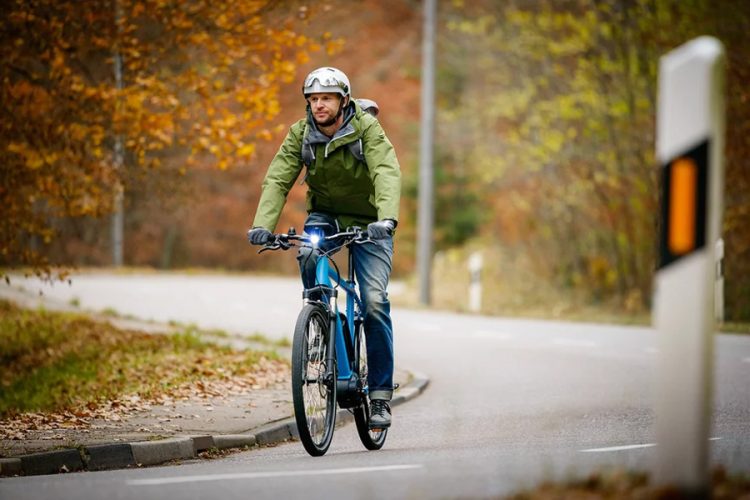
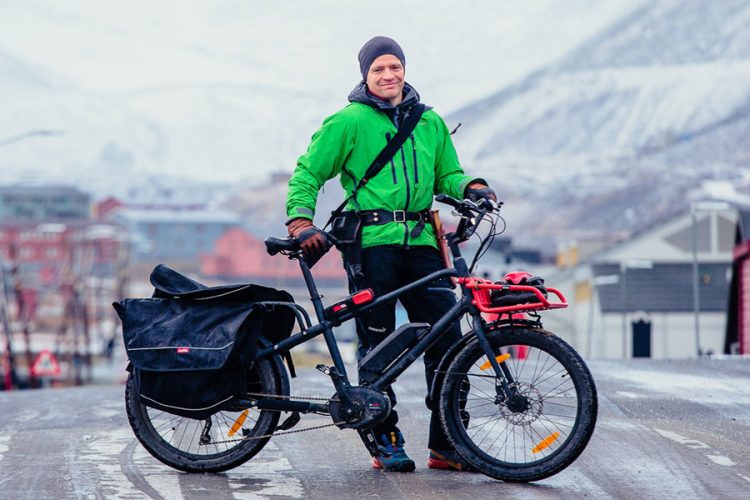
We get it – cold mornings, rain and riding home in the dark are enough reasons to convince many cyclists to leave the bike at home during winter. But with the right clothing, sensible riding habits and a little extra bike maintenance, there are no excuses. Regular cycling helps keep you fit, supports your immune system, boosts your mood, and, not having to breathe in all those germs on crowded public transport, is definitely a plus in winter.
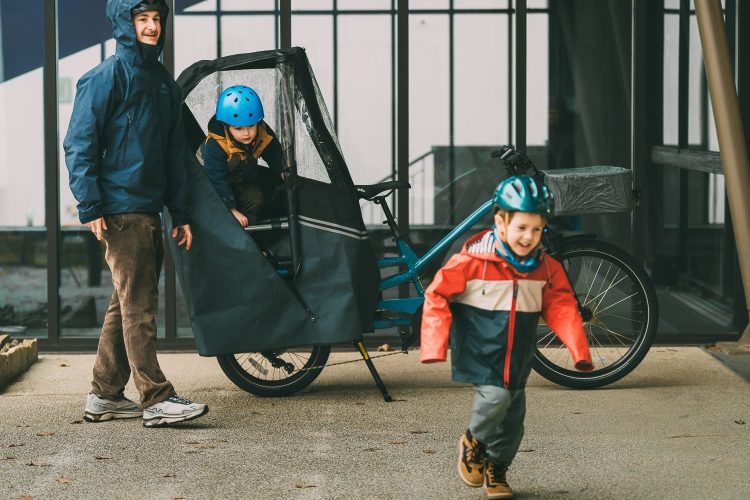
If the kids are complaining about getting cold on the ride to school in the morning, you can tell them that children in Holland, Denmark and Sweden are going in the snow. And to paraphrase Billy Connolly – remember there’s no such thing as bad weather in Melbourne, only inappropriate clothing!